

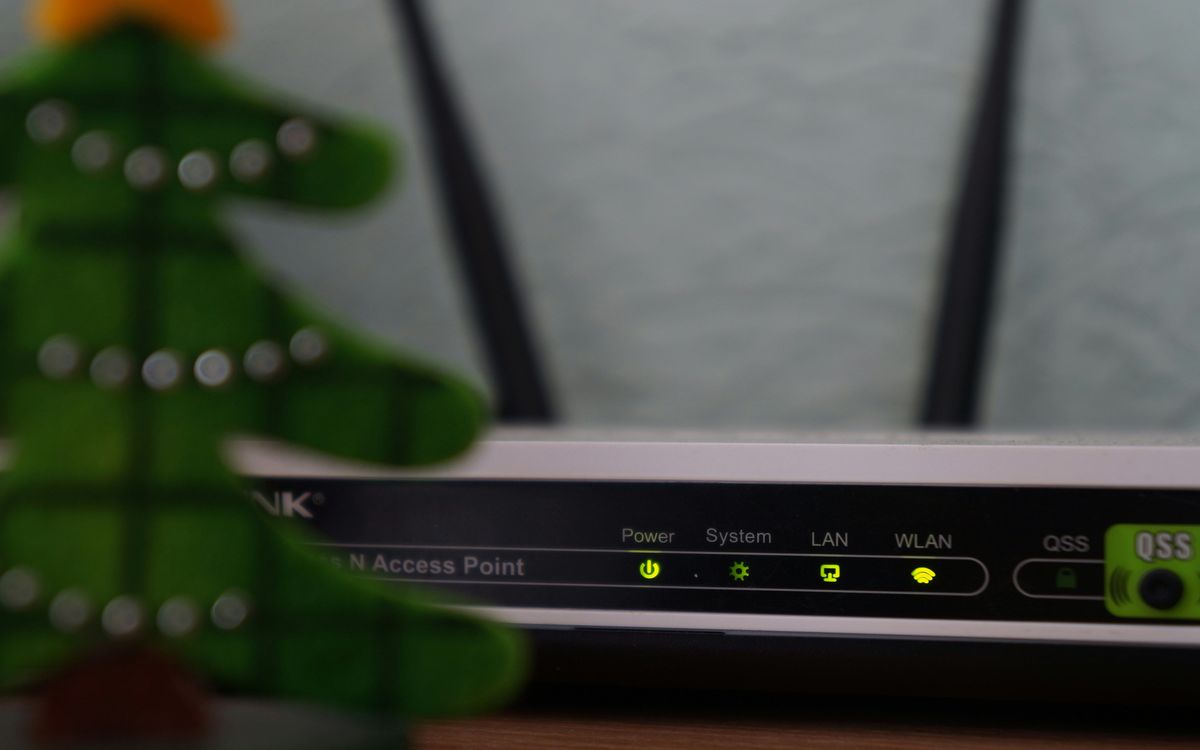
As the digital landscape expands, the demand for faster, more reliable internet connections skyrockets. Enter the world of 5G routers – the gateway to ultra-fast internet speeds. Whether you’re streaming, gaming, or just browsing, a 5G router promises to enhance your online experience. But with so many options on the market, how do you choose the best one?
TL;DR – Key Takeaways:
- Understand what 5G routers are and their various types.
- Discover eight renowned brands and their top products.
- Learn about the essential buying criteria for choosing the best 5G router.
- Explore common issues and practical tests to ensure quality.
- Identify which router features matter most to different user groups.
Best 5G Routers in 2024
TP-Link AX3000 WiFi 6 Router: Unmatched Speed and Coverage | Place 1
The TP-Link AX3000 WiFi 6 Router elevates your home networking experience with its impressive Next-Gen Gigabit Wi-Fi 6 speeds. This router is designed to effortlessly support a high number of devices, offering dual-band frequencies that achieve 2402 Mbps on the 5 GHz band and 574 Mbps on the 2.4 GHz band, making it perfect for heavy-duty tasks like gaming and 4K streaming.
Coverage is also a standout feature. Equipped with four high-gain antennas and Beamforming technology, the TP-Link AX3000 ensures expansive Wi-Fi coverage throughout your home. This means no more dead zones and consistent, reliable connections in every room. For gamers and streaming enthusiasts, the reduced latency and support for simultaneous device connections mean a smoother and more responsive online experience.
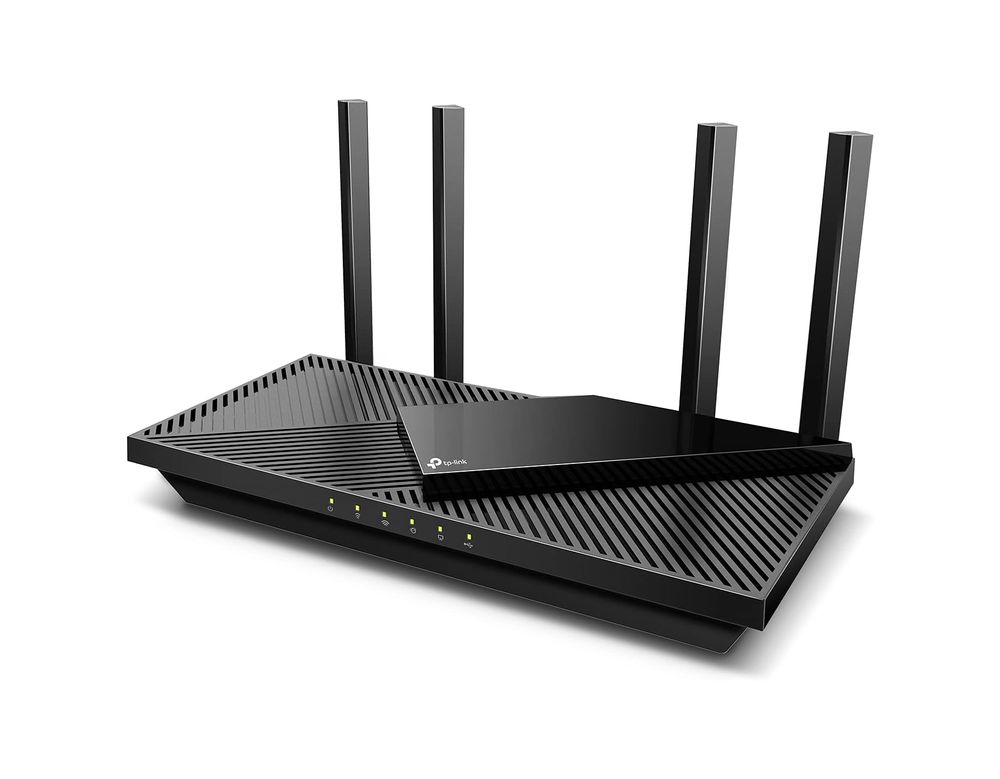
| Pros | Cons |
| ✅ Ultra-fast Wi-Fi 6 speeds ✅ Extensive coverage with 4 antennas ✅ Easy setup via TP-Link Tether app ✅ Alexa-compatible for smart home integration ✅ Efficient battery life optimization | ❌ Runs warm with heavy use ❌ Limited advanced features without subscription |
TP-Link Tri-Band BE9300: Elevating Home Connectivity with Advanced Features | Place 2
The TP-Link Tri-Band BE9300 Wi-Fi 7 router sets a new standard for home networking with its cutting-edge technology and powerful performance enhancements. Designed to cater to the increasing demands of modern smart homes, this router features one 2.5G WAN port and four 2.5G LAN ports, ensuring optimal speed for all connected devices.
Utilizing Wi-Fi 7 technology, the TP-Link BE9300 delivers exceptionally fast wireless speeds, reducing latency and significantly enhancing user experiences across gaming, streaming, and browsing. Its tri-band capability ensures robust, interference-free coverage, making it ideal for densely populated device environments.
Incorporating TP-Link HomeShield, the router offers advanced network security features, including parental controls and IoT device protection, safeguarding your digital environment. Additionally, the ability to set up a separate Wi-Fi network for IoT devices enhances overall network security.
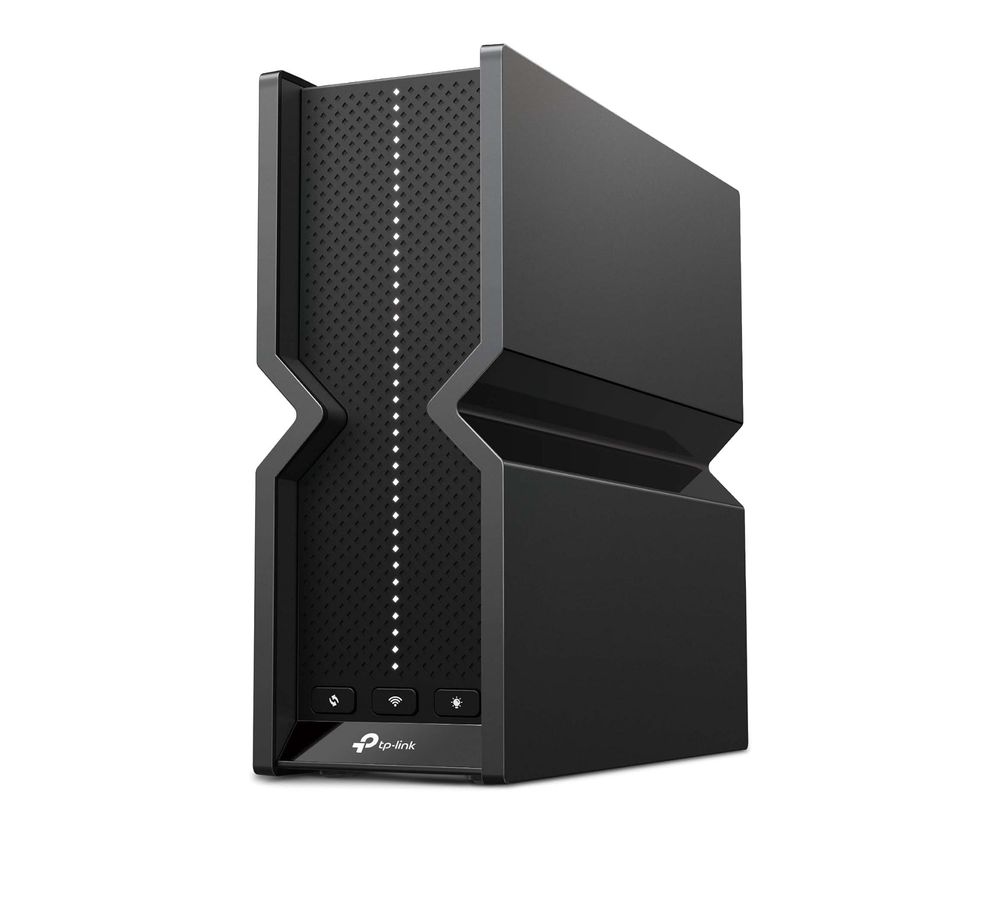
| Pros | Cons |
| ✅ Ultra-fast 2.5G connectivity ✅ Advanced Wi-Fi 7 technology ✅ Robust tri-band signal coverage ✅ Enhanced network security features ✅ Seamless IoT device integration | ❌ Premium price point ❌ Requires modern devices for optimal use |
Experience Next-Gen Speeds with TP-Link AX1800 | Place 3
The TP-Link AX1800 (Archer AX21) stands out in the realm of dual-band routers, bringing the advanced capabilities of Wi-Fi 6 into the home. This model excels in delivering next-generation speeds up to 1.8 Gbps, which makes streaming, gaming, and downloading more efficient than ever. With its Beamforming technology and four high-gain antennas, it ensures extensive and reliable coverage, even in larger homes.
The router’s compatibility with all major internet service providers ensures seamless integration into any existing setup. Adding to its user-friendly features, the AX1800 is Alexa compatible, allowing for easy voice-controlled connectivity adjustments. The setup process is straightforward, facilitated by a helpful smartphone app, making it accessible even for those less tech-savvy.
For households prioritizing network security, the Archer AX21 supports comprehensive VPN server options including OpenVPN and PPTP, adding an extra layer of security to your online activities.
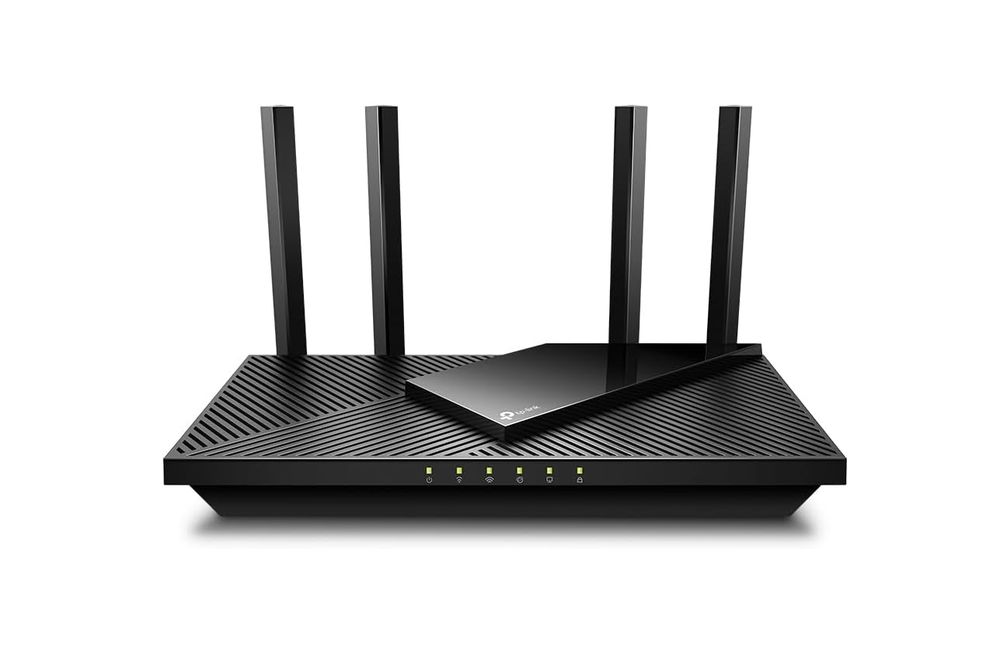
| Pros | Cons |
| ✅ Dual-band Wi-Fi 6 technology ✅ Speeds up to 1.8 Gbps ✅ Extensive coverage with Beamforming ✅ Supports OpenVPN and PPTP ✅ Easy setup and Alexa compatible | ❌ Lacks advanced QoS features ❌ Not ideal for very large homes |
Experience Next-Gen Speeds with TP-Link AX1800 | Place 4
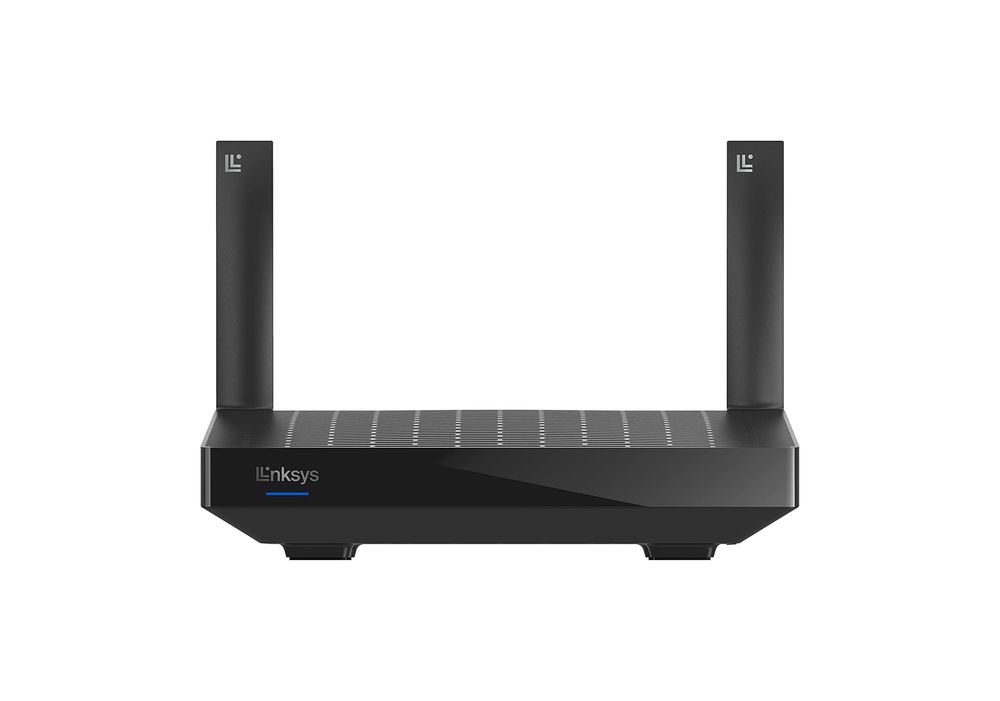
The Linksys Hydra Pro 6 Mesh WiFi 6 Router is a game-changer for home internet setups, combining cutting-edge technology with ease of use. This router leverages WiFi 6’s capabilities to deliver high-speed internet throughout every corner of your home. With Intelligent Mesh Technology, it ensures a robust, seamless online experience, regardless of where you are in your house.
Equipped with a dual-band frequency and supporting a range of devices, the Linksys Hydra Pro 6 handles multiple data streams simultaneously. This feature allows for increased WiFi capacity—up to four times more than previous generations—making it ideal for a household full of gamers, streaming enthusiasts, and smart home devices.
Users will appreciate the simplicity of setup and the automatic firmware updates that keep the system secure and functioning optimally without manual interventions. Although the router excels in wireless connections, some users noted that the wired network speeds did not meet their expectations, and the lack of VPN support could be a drawback for privacy-focused users.
| Pros | Cons |
| ✅ Ultra-fast wireless speeds ✅ Simple setup process ✅ Automatic firmware updates ✅ High capacity for multiple devices ✅ Reliable mesh technology | ❌ Limited wired speed performance ❌ No built-in VPN support |
Experience Next-Gen Speeds with TP-Link AX1800 | Place 5
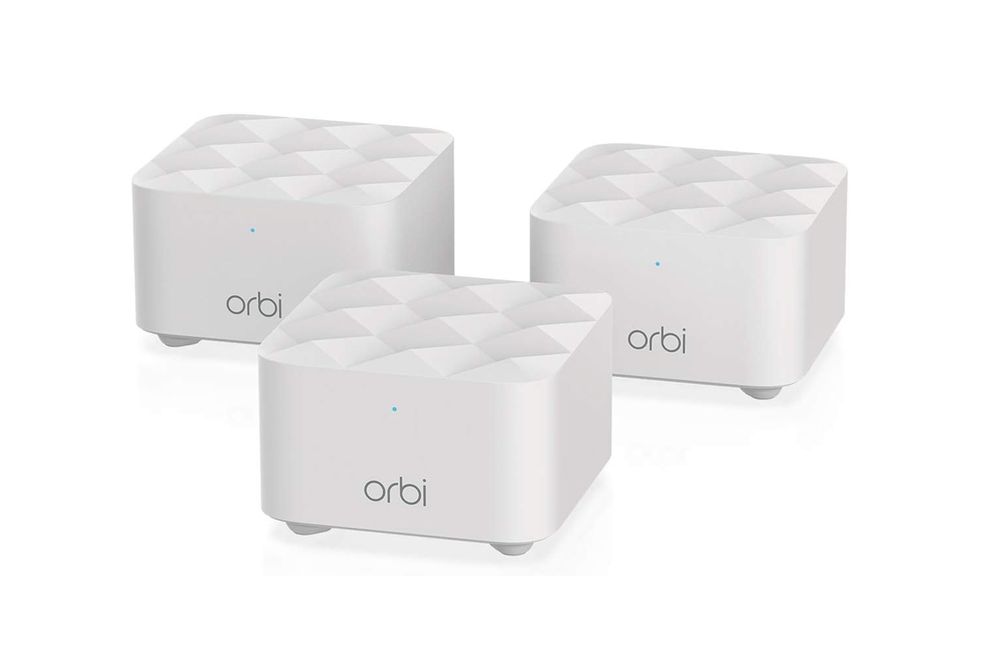
The NETGEAR Orbi Whole Home Mesh WiFi System (RBK13) stands out for its ability to eliminate dead zones within a coverage area of up to 4,500 square feet, ensuring seamless connection throughout your home. This system is versatile, working harmoniously with various internet providers and offering a plug-in option for wired devices via its Gigabit Ethernet port.
The RBK13 model facilitates smooth HD video streaming, gaming, and fast internet surfing, boasting speeds up to 1.2 Gbps. The setup process is straightforward and user-friendly, supported by the intuitive Orbi app. This system also offers advanced features like NETGEAR Armor for security and Smart Parental Controls, enhancing safe and responsible internet usage within the family.
However, some users might find the wired network speeds less impressive, and the absence of built-in VPN support could be a limitation for those prioritizing privacy.
| Pros | Cons |
| ✅ Covers up to 4,500 sq ft ✅ Compatible with all ISPs ✅ Fast wireless speeds ✅ Easy app-led setup ✅ Advanced security features | ❌ Wired speeds could improve ❌ Lacks VPN support |
What is a 5G Router?
A 5G router is a device that connects to 5G cellular networks and provides internet access to various devices via Wi-Fi or Ethernet. Unlike traditional routers that rely on broadband internet, 5G routers use the latest mobile network technology to offer faster speeds, reduced latency, and greater capacity.
Types of 5G Routers
5G routers come in several forms, catering to different needs:
- Home 5G routers: Designed for domestic use, offering stable and fast internet for home networks.
- Portable 5G routers: Compact and battery-powered, perfect for on-the-go connectivity.
- Outdoor 5G routers: Built to withstand the elements, ideal for providing outdoor internet coverage.
Leading Brands and Their Best 5G Routers
Several well-known companies dominate the 5G router market. Here’s a look at eight top brands and their standout models:
- Netgear: Nighthawk M5 MR5200 – Known for its robust signal strength and user-friendly interface, offering up to 4Gbps speed.
- TP-Link: Archer MR600 – Offers exceptional wireless coverage and supports 4G+ Cat6 to boost the data speeds.
- Asus: ROG Rapture GT-AX11000 – Features advanced security protocols, triple-level game acceleration, and AiMesh compatibility.
- Huawei: 5G CPE Pro 2 – Renowned for its high-speed connectivity and support for Wi-Fi 6+ technology.
- D-Link: DWR-978 – Known for dual-band Wi-Fi, 5G SIM router functionality, and an easy-to-use interface.
- Linksys: 5G Velop AX4200 – Offers strong mesh networking capabilities, designed to deliver high-speed internet across larger homes.
- ZTE: MC801A – Boasts a sleek design and the ability to handle speeds up to 4.1 Gbps, with advanced thermal technology to keep cool under heavy load.
- Nokia: FastMile 5G Gateway – Known for its ability to enhance signal quality and extend coverage inside homes, featuring a built-in Wi-Fi router.
Essential Buying Criteria for 5G Routers
When shopping for a 5G router, consider these seven key factors:
- Speed and Bandwidth: Ensure the router can handle your internet usage needs, with capabilities to support high-speed data transfer suitable for streaming, gaming, and large downloads.
- Range and Coverage: Check that the router covers the intended area without loss of signal. Consider the number of antennas and their quality, which can affect the distance and strength of the WiFi signal.
- Device Capacity: Look at how many devices can simultaneously connect without affecting performance. More connections typically require more robust processing capabilities.
- Latency: This is critical for applications requiring real-time response such as video calls, online gaming, and streaming live events. Lower latency ensures smoother, uninterrupted connectivity.
- Security Features: Assess the security protocols offered, such as WPA3 and the ability to set up complex passwords, firewall settings, and VPN support, to protect your network from unauthorized access.
- Battery Life: For portable 5G routers, battery life is crucial. Ensure the device can operate for several hours on a single charge if you need connectivity on the go.
- Additional Features: Consider extra features like USB ports for media sharing, guest WiFi options, parental controls, and the ability to integrate with smart home systems, which can enhance usability and control over your network.
Common Issues with 5G Routers
While 5G routers offer significant benefits, they come with their own set of challenges:
- Signal Interference: Be wary of devices that may cause interference and degrade signal quality. Other electronics, thick walls, and even microwave ovens can disrupt your connection.
- Compatibility Issues: Not all 5G routers are fully compatible with every device or network type. Check that the router supports all your devices and any legacy technology you might use.
- Overheating: Some 5G routers can overheat due to the high-speed operation and processing power required. This can lead to performance throttling or hardware damage if not adequately managed.
- Firmware Bugs: New technology often comes with software issues. Firmware updates are essential but can introduce bugs that might affect performance and security.
- Range Limitations: Despite high speeds, the range of 5G signals can be limited compared to some advanced 4G setups, especially in dense urban environments or buildings with complex layouts.
- Cost: 5G technology is still relatively new, and 5G routers can be significantly more expensive than their 4G counterparts. Evaluate whether the cost is justified based on your specific needs.
Testing Your 5G Router
Before finalizing your purchase, perform these five tests to evaluate your new 5G router:
Speed Test
Conduct a speed test to verify that the router meets its advertised speeds.

Connectivity Test
Test the connectivity with various devices. Connect multiple devices simultaneously to ensure the router can handle the load without significant performance drops.
Distance Test
Check the signal strength at different distances and through barriers like walls and floors to evaluate the effective range of the router.
Restart and Recovery Test
Reboot the router to see how quickly it restarts and reconnects to the network. This is crucial for assessing reliability and troubleshooting ease.
Security Settings Review
Examine the security features and configuration options. Set up encryption, change default passwords, and enable any additional security measures to test their effectiveness and user-friendliness.
Buyer Personas for 5G Routers
Identifying your needs can help pinpoint the right 5G router for you. Here are three buyer personas:
- The Home User: Needs a router that is easy to set up and offers extensive coverage for multiple devices.
- The Tech Enthusiast: Seeks high performance with advanced features like beamforming, MU-MIMO, and support for multiple bands to maximize throughput and minimize latency.
- The Traveler: Requires a portable 5G router that provides reliable internet access on the go with long battery life and robust build quality to withstand various environments.
Conclusion
In the age of rapid digital transformation, selecting the right 5G router can significantly enhance your internet experience. Armed with this comprehensive guide, you’re now ready to make an informed decision and enjoy the benefits of 5G technology.
Frequently Asked Questions
What is the range of a typical 5G router?
The range can vary, but typically, it is enough to cover an average-sized home or office.
Can 5G routers replace wired broadband?
While 5G routers offer high speeds and low latency comparable to wired connections, consistency and availability can depend on your location and the proximity to 5G towers.
Are 5G routers safe?
Yes, 5G routers adhere to international safety standards for radio frequency emissions, similar to other household wireless devices.
How do I improve the performance of my 5G router?
Positioning the router in an optimal location, minimizing obstacles, and regularly updating firmware can enhance performance.
Will a 5G router work during a power outage?
Like most routers, 5G routers require power to operate. However, some models come with battery backups that can keep th