

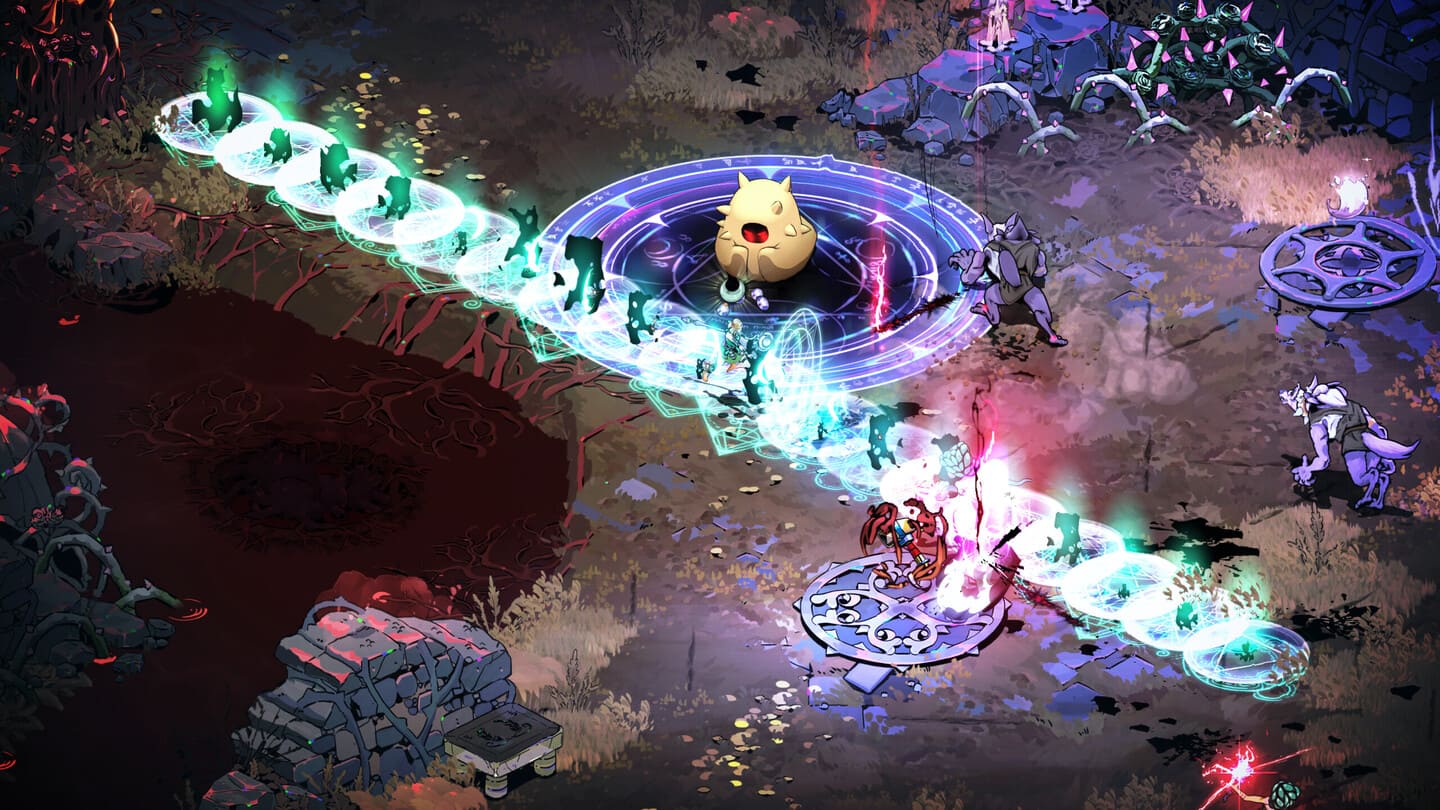
Supergiant Games has responded to speculation about its voice cast in Hades II, clarifying that it has “not re-cast any of our characters” and intends to continue working with its established cast.
— Supergiant Games (@supergiantgames.bsky.social) February 21, 2025 at 2:20 AM
The statement comes after voice actor Marin Miller, who plays Athena in both Hades 1 and 2, suggested they were being recast because their employer declined to adopt a SAG-AFTRA interim agreement during the ongoing strike, which would have allowed union actors to continue working under union protections. This prompted widespread discussion about unionization in the video game industry.
It's possible you may hear me get recast in a particular game that is very popular. If I am, it was not because I stepped away from the character willingly. 🙂 It's because the employer refused to flip to an interim.
— Marin M. Miller (@marinmmiller.com) February 19, 2025 at 11:39 PM
Why Actors are Striking
SAG-AFTRA actors are striking primarily over concerns related to artificial intelligence and its potential to replace or exploit performers without fair compensation. The rise of AI-generated voices and deepfake technology has led to fears that studios could scan an actor’s likeness or voice and use it indefinitely without additional pay or consent. The union is demanding stronger protections to ensure that AI cannot be used to replicate an actor’s performance without clear contracts, fair compensation, and the performer’s explicit approval. Without these safeguards, actors risk losing control over their own image and voice, effectively allowing studios to profit from their work without ongoing participation or residuals.
According to the union, they have undergone “more than 18 months of negotiations with some of the largest videogame companies ended without a deal. The employers rebuffed our proposals for consent, compensation and transparency around the use of A.I., and instead have countered with loophole-filled language that negates any protections they claim to offer.”
The Union Debate and Its Implications
A significant portion of the discussion centers around whether Supergiant should sign an interim agreement with SAG-AFTRA, the union representing voice actors. An interim agreement is a temporary contract offered by SAG-AFTRA that allows union members to work on specific projects during a strike, provided the production agrees to the union’s latest proposed terms, ensuring fair wages and protections while negotiations with major studios continue.
Many argue that doing so would show solidarity with striking actors and provide additional protections. Others point out that signing the contract could create complications, as a unionized project might require some of Supergiant’s long-standing, non-union voice actors—including Hades composer and voice actor Darren Korb—to join the union.
Several commentators, including industry professionals, have pointed out that while union contracts offer benefits like healthcare and legal protections, they also come with constraints. One major concern is that non-union actors might be forced into the union if they wish to continue working with the studio, potentially limiting their ability to take on non-union work.
The Complexity of Unionizing in Video Games
Unlike Hollywood, where actors typically work within unionized productions, video game development is often more fragmented. Companies like Supergiant—an independent studio with a relatively small team—may prefer to work with a mix of union and non-union talent. Some argue that unionization would force Supergiant into a U.S.-centric hiring model, potentially cutting off access to international voice talent.
Additionally, union membership requires a costly initiation fee (around $3,000) and annual dues, which may be prohibitive for actors who primarily work in non-union projects. Some actors choose to work as “FiCore” members, allowing them to take both union and non-union roles, but this comes with trade-offs, such as losing voting rights within the union.
Supergiant’s Reputation and the Community Response
Supergiant Games has historically been regarded as a fair and transparent employer, and many fans are giving them the benefit of the doubt. However, others feel that the studio’s refusal to sign an interim contract is a failure to support the larger voice acting community.
The controversy highlights broader tensions within the gaming industry over labor rights, particularly as concerns about AI-generated voice work and fair compensation continue to grow. While some fans argue that Supergiant has done nothing wrong, others believe this is an opportunity for the studio to take a stand in favor of unionization.
Final Thoughts
At the heart of the issue is a clash between labor rights and the flexibility that smaller studios rely on. Supergiant’s response appears to be an attempt to reassure both its cast and its audience, but without signing a union contract, skepticism remains. As the industry grapples with ongoing changes in labor practices, this debate will likely continue, with significant implications for future game productions.