

Table of Contents
Warner Brothers Games has officially closed three of its game development studios—Monolith Productions, Player First Games, and WB Games San Diego. Along with these closures, the highly anticipated Wonder Woman game has been canceled.
The decision, which Warner Brothers Games framed as a “strategic change in direction,” signals a shift toward prioritizing its biggest franchises—Harry Potter, Mortal Kombat, DC, and Game of Thrones. However, the move has left many in the gaming community questioning the company’s long-term strategy and lamenting the loss of an industry veteran in Monolith.

Monolith Productions: A Studio with a Legacy
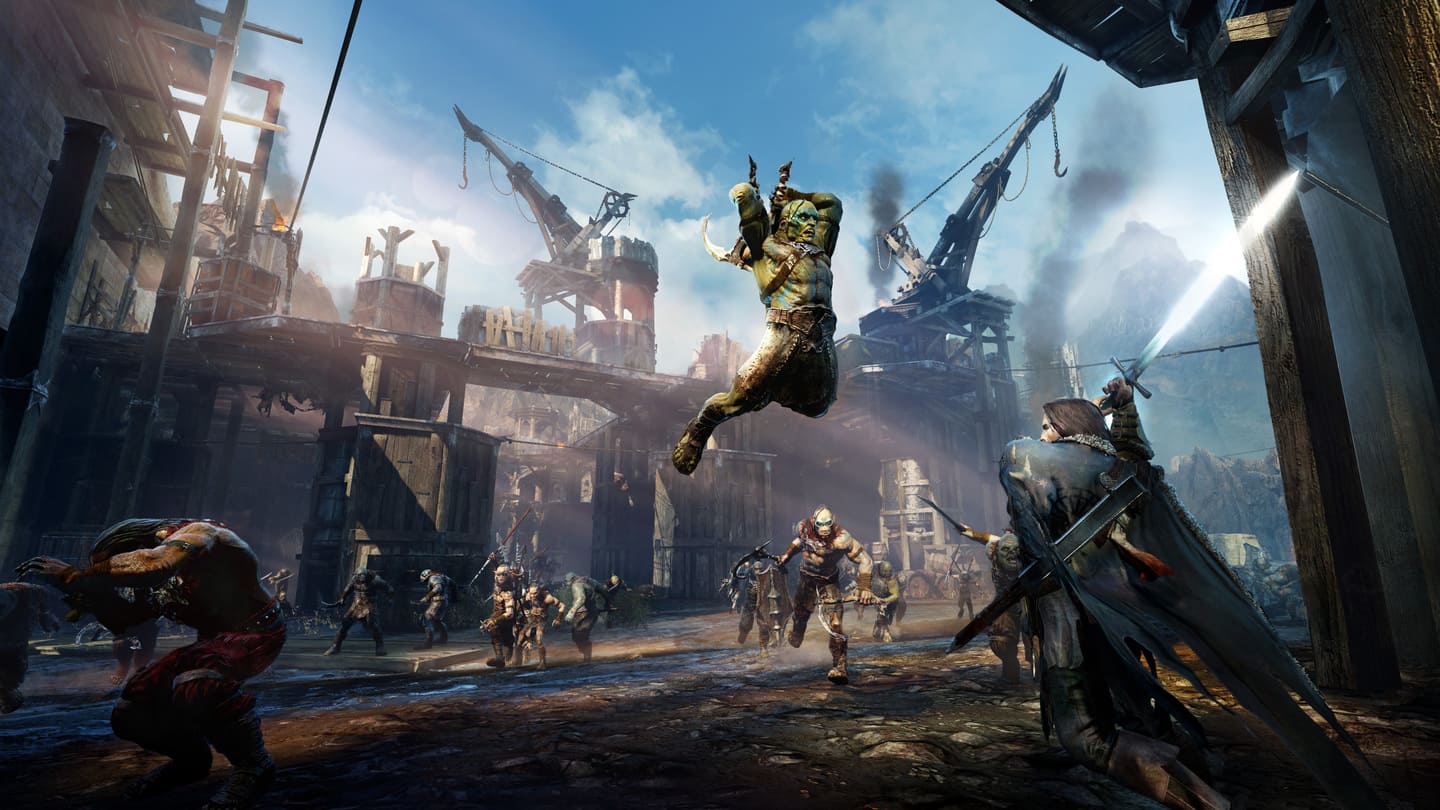
Monolith Productions, founded in 1994, had a 30-year history of developing standout games. The studio was responsible for titles like F.E.A.R., Condemned: Criminal Origins, No One Lives Forever, and the Middle-earth: Shadow of Mordor series. Its contributions to gaming went beyond great storytelling and engaging gameplay—Monolith also pioneered the Nemesis System, an innovative AI-driven mechanic that created dynamic rivalries between players and in-game enemies.
Despite this legacy, Monolith hadn’t released a game since Middle-earth: Shadow of War in 2017, which was met with both critical praise and controversy over its microtransactions.
After Warner Brothers Games acquired Monolith in 2004, the studio’s focus gradually shifted from creating original IPs to developing games based on Warner Bros.-owned franchises. Titles like The Matrix Online, Gotham City Impostors, and the Middle-earth series replaced the studio’s earlier works, such as F.E.A.R. and No One Lives Forever.
While Monolith continued to produce well-received games, its creative direction became more closely aligned with Warner Brothers Games’ broader franchise strategy. The studio had been working on a Wonder Woman game, announced in October 2021, but its progress remained largely unknown until news of its cancellation surfaced three years later.
Following the cancellation of Wonder Woman, many fans on social media speculated that the game had the potential to be a major hit, comparing it to successful action-adventure titles like God of War. Instead, the game will never see the light of day, and Monolith will now join the ranks of studios such as Visceral Games, Lionhead Studios, and Irrational Games, shuttered by corporate restructuring.
Player First Games and the Rise and Fall of MultiVersus
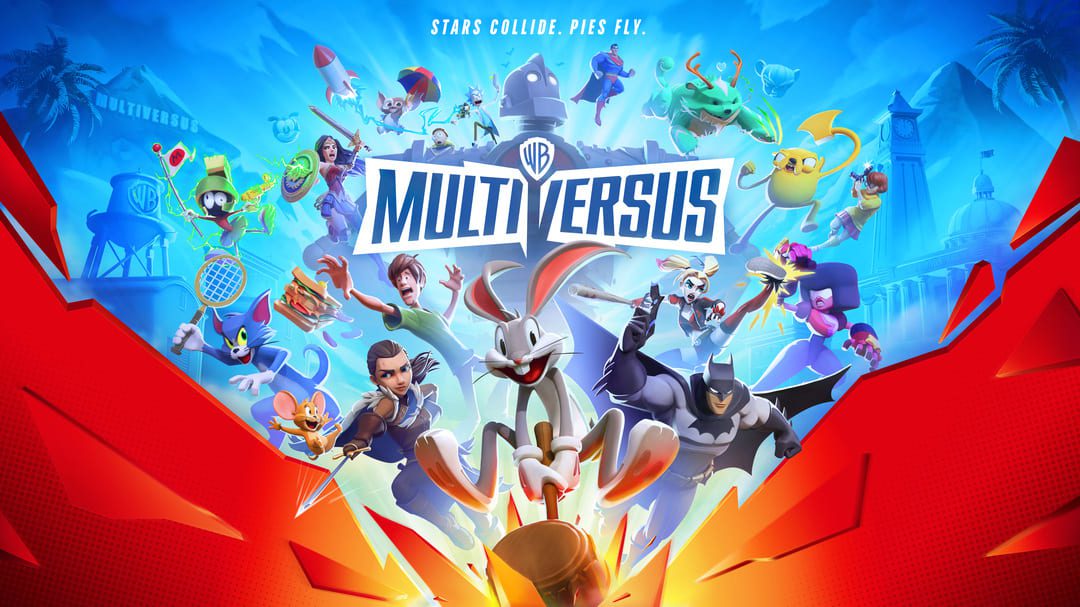
The decision to close Player First Games comes just months after the full release of MultiVersus, a crossover fighting game featuring characters from across Warner Brothers Games’ properties, including Batman, Bugs Bunny, and Shaggy from Scooby-Doo. The game launched in May 2024 after an extended beta period, but its momentum quickly faded. While MultiVersus had a strong initial reception, its content pipeline and monetization model seem to have left players dissatisfied, leading to a dwindling player base.
Player First Games was founded in 2019 by former God of War and League of Legends developers. Warner Brothers Games saw potential in the studio, acquiring it in early 2024. Less than a year later, that investment has been scrapped, showing just how rapidly the company’s priorities have shifted.
The underperformance of titles like MultiVersus and Suicide Squad: Kill the Justice League has led to questions about Warner Bros. Games’ ability to manage live-service games effectively. The parent company’s CEO David Zaslav described the release of Suicide Squad as “disappointing,” noting its negative impact on the company’s quarterly financials.
Depsite this, the studio has reaffirmed its commitment to live-service games, with plans to integrate ongoing engagement and monetization elements into major franchises like Harry Potter, shifting away from traditional AAA releases, according to prior reporting.
Corporate Restructuring, Mounting Losses, and a Shifting Focus
Warner Brothers Games has been aggressively cutting costs across its divisions, and its gaming arm is no exception. The company reportedly took a $300 million loss on its gaming investments last year, and with its film and television sectors also under financial pressure, with a $10 billion loss in the second quarter of 2024, executives are tightening their focus.
David Haddad, who led Warner Brothers Games for over a decade and departed last month after twelve years, had faced increasing scrutiny for the company’s lack of clear vision. While many are quick to blame parent company Warner Bros. Discovery CEO David Zaslav, some industry insiders note that the gaming division’s issues predate his tenure. Under Haddad’s leadership, several studios, including Rocksteady (of Batman: Arkham fame), faced prolonged development cycles with little to show for them. Monolith had gone nearly a decade without a major release, and Rocksteady’s long-awaited Suicide Squad: Kill the Justice League underperformed.
With these closures, Warner Brothers Games appears to be streamlining its portfolio to focus on safer, franchise-driven projects. But the decision to axe Wonder Woman—a project that seemed to align with the company’s stated goals—might suggest a deeper instability than imagined. If Warner Brothers Games is prioritizing profitability, cutting a single-player action game with a beloved character raises questions about what types of games will survive under its new direction.
The Nemesis System: An Untapped Innovation

One of the most frustrating aspects of Monolith’s closure is the fate of the Nemesis System, the patented AI framework that added depth to enemy interactions in the Shadow of Mordor series. Despite its potential, Warner Brothers Games never used the system in another game, nor did it license it to third parties. Now, with Monolith shuttered, the Nemesis System is apparently in limbo.
Players have long speculated on what could have been if the mechanic had been integrated into games like Gotham Knights or a Hogwarts Legacy sequel. Some believe Warner Brothers Games will continue renewing the patent to prevent others from using it, while others argue that the system’s complexity made it impractical for widespread adoption. Either way, the Nemesis System now stands as a symbol of wasted potential.
What’s Next for Warner Brothers Games?

Despite the grim news, Warner Brothers Games remains committed to producing games tied to its core properties. Mortal Kombat continues to be a financial powerhouse, and Hogwarts Legacy was a massive hit. But with Suicide Squad struggling and Wonder Woman canceled, the future of DC-based games remains uncertain. Rocksteady is reportedly working on a new Batman game, but it is years away.
Meanwhile, the company’s strategy appears to be shifting toward licensing rather than internal development. If Warner Brothers Games is looking to emulate Disney’s approach—where studios like Insomniac develop Spider-Man while EA works on Star Wars—we could see DC games handed off to outside developers.
The Fallout: Industry Reactions and Fan Frustration
The closures have sparked widespread backlash. Fans and developers alike have criticized Warner Brothers Games for its handling of Monolith, questioning why a studio with such a rich history was left to languish. Many also view Player First Games’ fate as a sign that Warner Brothers Games is struggling to make live-service games work.
On social media, responses ranged from disbelief to anger. Many lamented the fact that a Wonder Woman game—something fans have been requesting for years—was abandoned while lesser projects moved forward. Others pointed to the loss of F.E.A.R., No One Lives Forever, and the Middle-earth series as proof that the industry is becoming more risk-averse.
Message boards discussing the closures highlight broader frustrations with the gaming industry, where corporate mismanagement often results in the shutdown of beloved studios. As one user put it, “Monolith created some of the most innovative games of the past 30 years. And WB let them die.”
Conclusion
The closure of Monolith Productions, Player First Games, and WB Games San Diego marks another chapter in the gaming industry’s ongoing wave of layoffs and studio shutdowns. While Warner Brothers Games justifies these cuts as part of a strategic realignment, the loss of Monolith in particular feels like a self-inflicted wound.
As Warner Brothers Games tries to pivot toward profitability in 2025, one question lingers: what kind of gaming future does the company envision? If it involves sacrificing creative studios in favor of corporate-led franchise management, the answer may not be one that fans or developers want to hear.
FAQ: Warner Brothers Games Studio Closures
Which studios did Warner Brothers Games shut down?
Warner Brothers Games has closed Monolith Productions, Player First Games, and WB Games San Diego as part of a strategic restructuring effort.
Why did Warner Brothers Games shut down these studios?
According to Warner Brothers Games, the decision was made to focus on key franchises—Harry Potter, Mortal Kombat, DC, and Game of Thrones—and to streamline development for financial sustainability. The company reportedly faced a $300 million loss in gaming investments last year.
What happened to the Wonder Woman game?
The Wonder Woman game, which was in development at Monolith Productions, has been canceled. Warner Brothers Games stated that delivering a “high-quality experience” for the character was no longer possible within their strategic priorities.
What does this mean for Monolith Productions?
Monolith, a studio with a 30-year history known for F.E.A.R., Condemned, and Middle-earth: Shadow of Mordor, has been completely shut down. Its future remains uncertain, and its patented Nemesis System is now in limbo.
Did MultiVersus contribute to Player First Games’ closure?
MultiVersus initially launched with strong reception but saw a steep player drop-off, partly due to its monetization model and inconsistent updates. While Warner Brothers Games did not explicitly cite MultiVersus as the reason, the studio was shut down less than a year after being acquired.
Is Warner Brothers Games moving away from traditional AAA games?
Yes. Warner Brothers Games executives have signaled a shift toward live-service games with ongoing engagement and monetization, including plans to integrate such elements into franchises like Harry Potter.
What’s next for Warner Brothers Games?
The company will continue focusing on its biggest IPs, with Mortal Kombat remaining a financial powerhouse. However, Suicide Squad: Kill the Justice League underperformed, and the future of DC-based games remains uncertain. Warner Brothers Games may also shift toward licensing its franchises to external developers, similar to Disney’s approach with Star Wars and Marvel.